What Is a Bauhaus Apartment? Living in Tel Aviv's White City
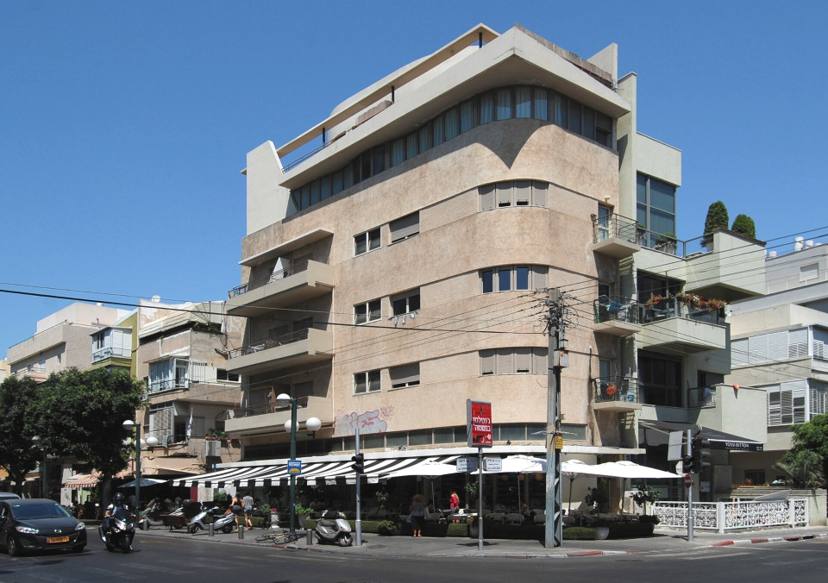
Beit Menachem and Miriam, the White City, Tel Aviv
In Tel Aviv, a "Bauhaus apartment" is a home in one of the modernist buildings of the White City, built from the early 1930s until the 1950s. The style is better described as International Style. The name comes from the German art school, but only a few of the architects studied there; most had trained and worked elsewhere in Europe before they arrived. In 2003 UNESCO added the White City to the World Heritage List as an outstanding ensemble of the Modern Movement. Many of these buildings are now protected under the city's conservation plan, and that affects what owners can change.
How to recognise one
The architects adapted European modernism to the Tel Aviv climate. The signs repeat from street to street:
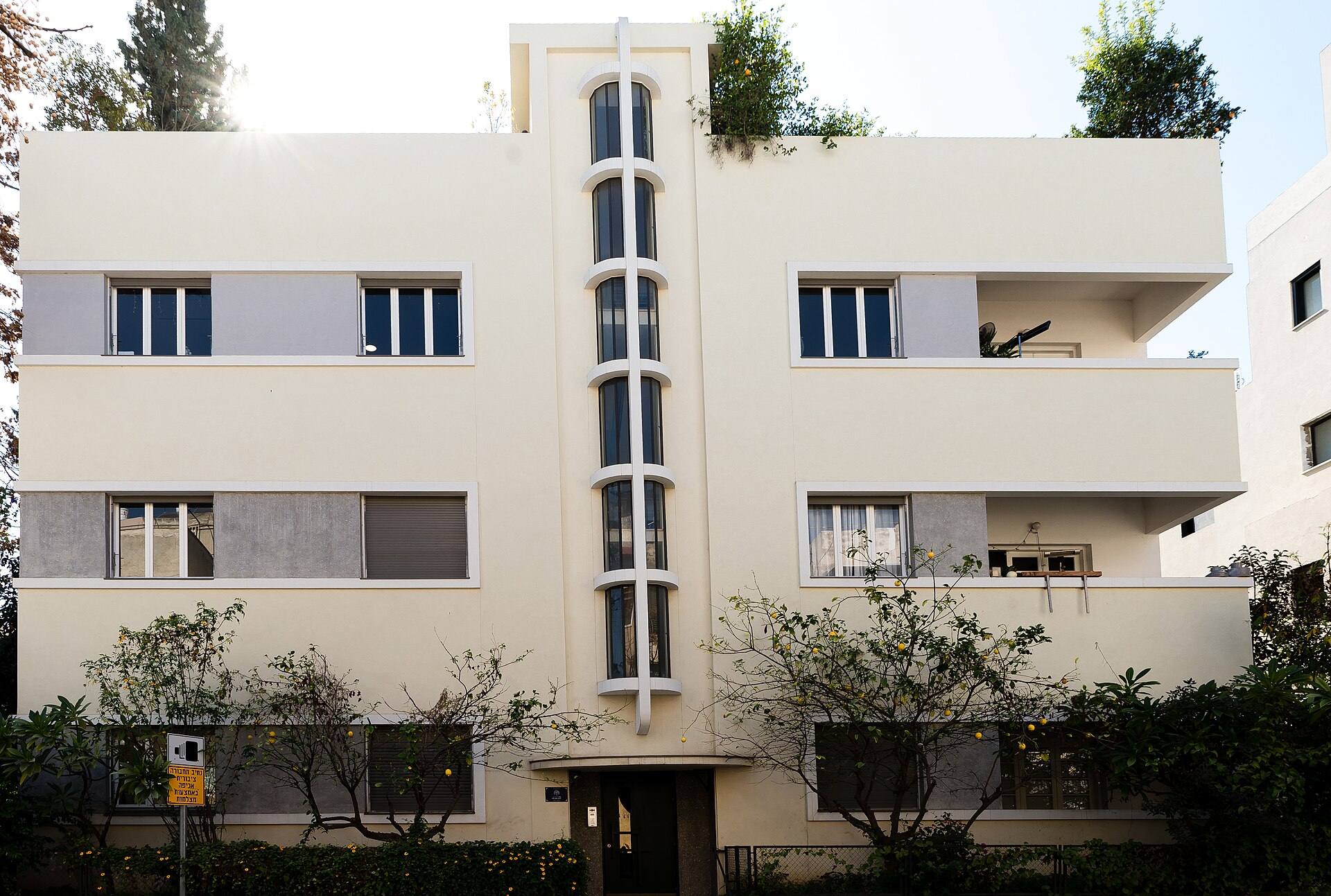
- White or light rendered walls and flat roofs, often shared by the residents.
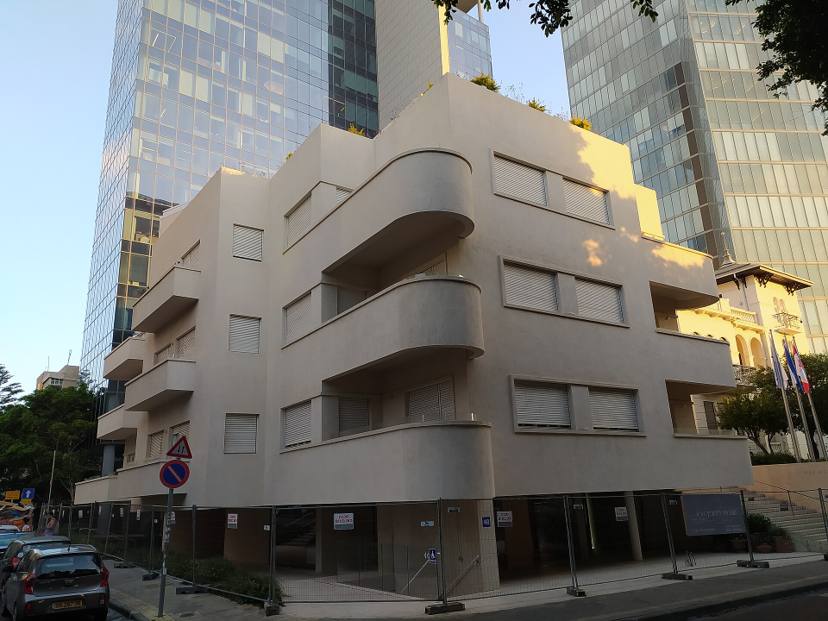
- Horizontal strip windows and long balconies that run along the façade.
- Rounded corner balconies, the most recognisable feature of the style.
- A tall, narrow window up the staircase, nicknamed the "thermometer" window.
- Pilotis: columns that lift the building above a shaded entrance and garden.
- Deep balconies and small openings that keep the sun out.
Most of these buildings are three or four storeys high and stand in gardens on small plots. That follows the urban plan Sir Patrick Geddes drew up for Tel Aviv in 1925 to 1927, which UNESCO calls his only large-scale urban plan to be built.
Where they are
The protected World Heritage site has three parts: the central White City, City Center with Rothschild Boulevard, and the Bialik area. The streets around Rothschild, Dizengoff and Sheinkin hold the best known buildings. The Old North, between Ibn Gabirol and the sea, has many buildings from the same years. See our guides to City Center and the Old North.
What living in one is like
- Light and air. Cross ventilation, balconies and windows on more than one side were part of the design.
- Modest sizes. Many apartments have two or three rooms. Larger homes were often made by joining two apartments or by building on the roof.
- Often no lift. In a three- or four-storey building from the 1930s, a lift is the exception. Some buildings added one during a renovation.
- No parking and often no protected space. The buildings predate both requirements.
- A building with a past. Eighty or ninety years of repairs, closed-in balconies and additions show up in the plaster, the plumbing and the paperwork.
Conservation: what it means for an owner
According to the Tel Aviv-Yafo municipality, there are about 2,000 buildings for conservation in the city, and about 1,000 of them are included in conservation plan 2650B, approved in 2008. About 190 of those are under strict conservation, which generally means no additional building on the plot. For the other listed buildings, the plan allows additions such as extra floors within set limits, and it requires the building to be restored according to its guidelines. Owners of strictly listed buildings can instead transfer unused building rights to another plot.
For a buyer this means three things:
- Changes need approval. The façade, the windows, the balconies and the roof are governed by the plan, and the municipality's conservation department reviews building permits.
- A restored building is an asset. A building that has already been restored under the plan has done the expensive part. A building that hasn't will have to, and the residents share the cost.
- There is help. The municipality offers grants, subsidised loans and professional support for restoring listed buildings.
What to check before you buy
- Is the building listed, and at which level? The municipality publishes the list of buildings in the plan and the conservation map.
- Has the building been restored? If not, is a restoration planned, and what will it cost each apartment?
- Is everything permitted? Closed-in balconies, roof rooms and joined apartments were not always approved. Compare the apartment with the permit plans.
- The structure. In buildings this age, ask an engineer to look at the concrete and the reinforcement, the plumbing and the electricity.
- Rights on the roof. Who owns the roof, and does anyone already hold the right to build on it?
- The price. Compare with sales in buildings of the same era. Our valuation calculator does this when the building year is known, and the market page shows prices by neighbourhood.
Looking for a home with character in the White City? See the homes for sale and penthouses, or, if you are buying from abroad, read how to choose a neighbourhood.
Frequently Asked Questions
What is a Bauhaus apartment in Tel Aviv?
A home in one of the modernist buildings of the White City, built from the early 1930s to the 1950s in the International Style, with white walls, flat roofs, strip windows and rounded balconies.
Why is Tel Aviv called the White City?
Because of its white and light-coloured modernist buildings, built from the early 1930s to the 1950s. UNESCO added the White City to the World Heritage List in 2003.
Can you renovate an apartment in a listed building?
Yes, within the rules of the conservation plan. Work on the façade, the windows, the balconies and the roof needs approval, and buildings under strict conservation can't add floors on the plot.
Do Bauhaus buildings in Tel Aviv have lifts?
Most of the original three- and four-storey buildings were built without one. Some added a lift during a renovation, so check building by building.