What Is My Tel Aviv Apartment Worth? Reading Real Sales Before You Set a Price
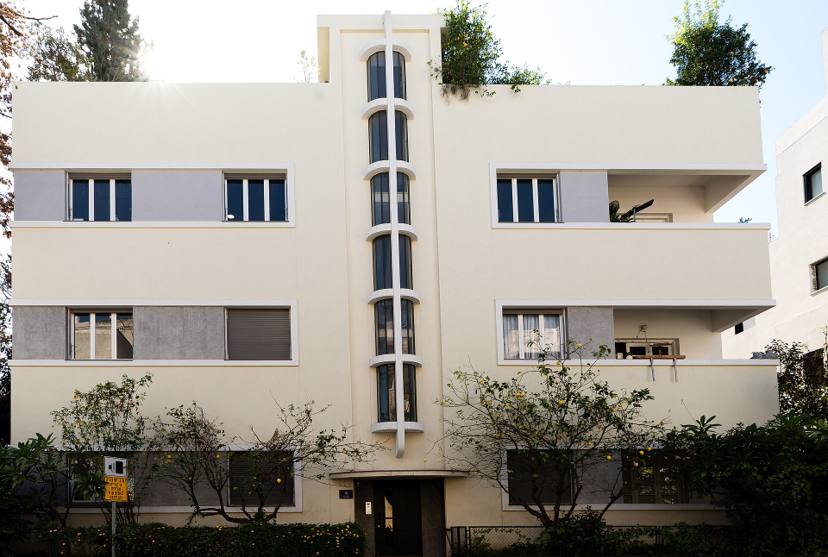
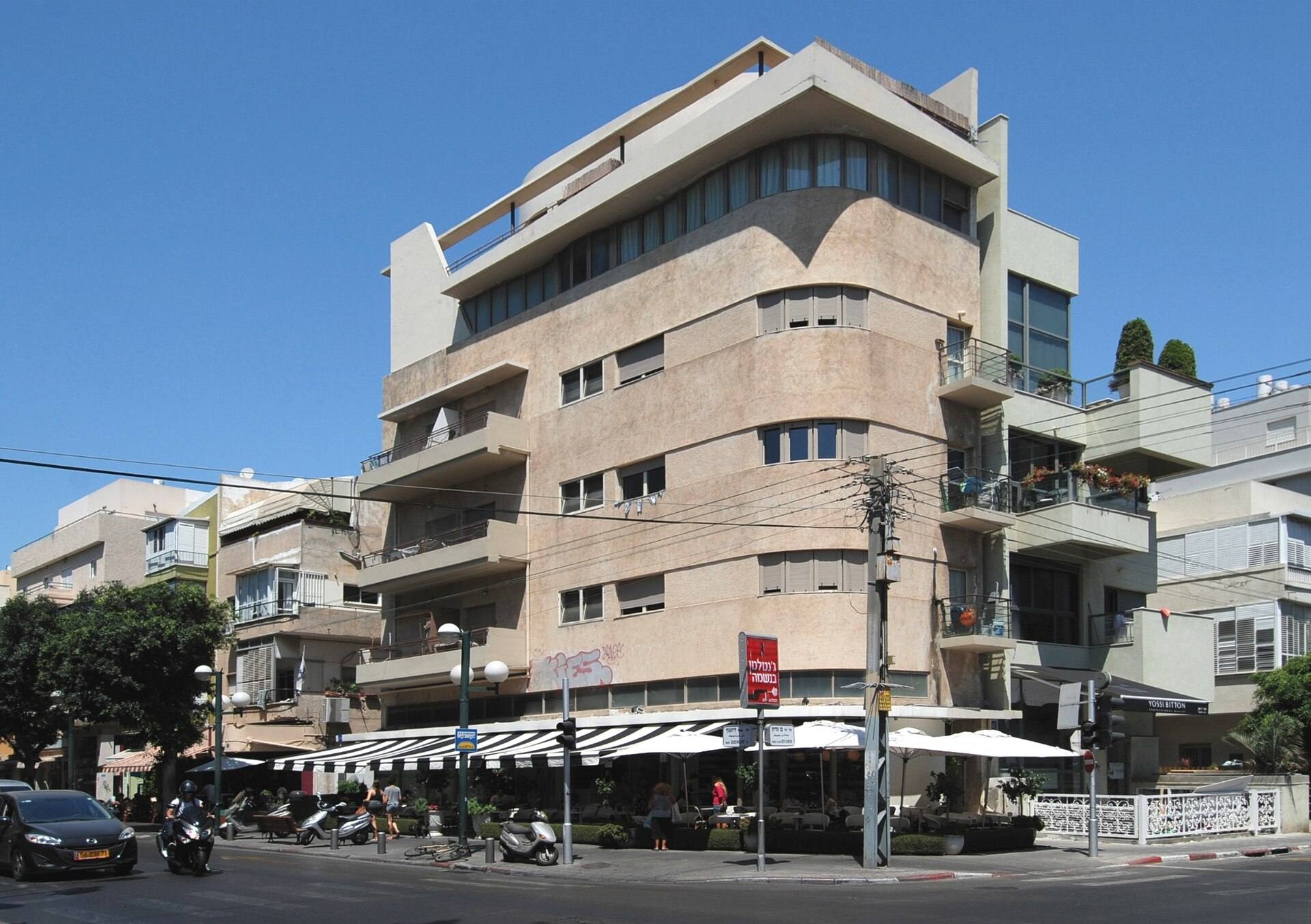
Dizengoff Street, Tel Aviv
The best starting point is what similar homes near you actually sold for, not what sellers are asking. Every home sale in Israel is reported to the Israel Tax Authority, and the deals are published on the government's real-estate information site, nadlan.gov.il. From them you can work out a price per m² for homes like yours: the same street or neighbourhood, a similar size and a building of the same era. That gives a range, not a price. Where your home falls within it depends on what the deals don't record: the lift, the view, the condition, parking and outdoor space.
Why a neighbourhood average is too blunt
Tel Aviv neighbourhoods are not uniform. Here is the middle half of the price per m² paid for homes over the 24 months to the end of July 2026, from the Tax Authority deals our calculator uses:
- City Center (the city centre): ₪58,400 to ₪78,800 per m², from 390 sales
- The Old North, northern part: ₪54,800 to ₪73,000 per m², from 363 sales
- Neve Tzedek: ₪68,300 to ₪121,300 per m², from 74 sales
In City Center, the gap between the bottom and the top of the middle half is about ₪20,000 per m². On a 90 m² apartment that is roughly ₪1.8 million. The neighbourhood tells you which range you are in, and the home itself decides where in that range you land.
How to read the deals
- Compare like with like. Look at homes within about a quarter of your size, with the same number of rooms give or take one. A two-room flat and a five-room flat in the same building sell at different prices per m².
- Compare similar floors where the data shows them. A ground floor and a top floor in the same building rarely sell at the same price per m².
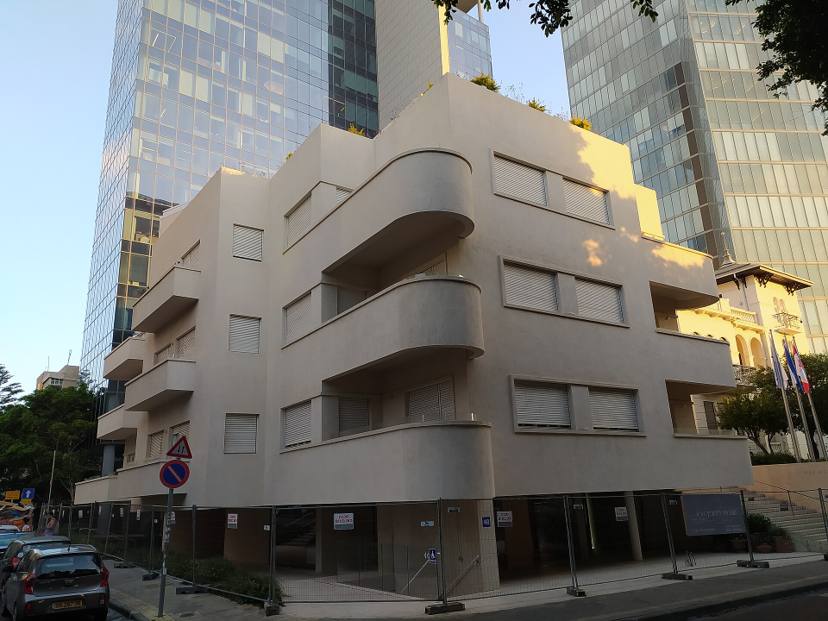
- Look at the building's era. In Tel Aviv, a 1930s building in the White City, a 1960s block and a new tower are different markets, even on the same street.
- Start with your street. Sales in your building and on your street say more than the neighbourhood as a whole, provided there are enough of them.
- Check the dates. A sale from two years ago reflects that market. The most recent months are also often incomplete, because deals reach the database some time after they are signed.
- Be careful with outliers. A sale between family members, a sale of part of a home, or a home that needed complete renovation can pull the figures in either direction.
What the figures can't see
A published deal shows the basic facts: the address, the date, the price, the size and the number of rooms, and often the floor. It doesn't show what makes two similar apartments in the same building sell at different prices:
- A lift: a fourth floor without a lift is a different home from a fourth floor with one.
- View and light: a sea view or an open view, and which way the home faces.
- Condition: a renovation done well, or one that a buyer will have to redo.
- Parking, a balcony, a roof or a garden: in central Tel Aviv each of these can move the price considerably.
- The building: its condition, the shared areas, a protected space, and whether it is listed for conservation.
- Rights and plans: building rights on the roof, and urban renewal plans for the building or the street.
How our calculator works
The valuation calculator on this site turns the deals into a first range. It uses the home sales reported to the Tax Authority over the last 24 months. It starts with similar homes on your street, if there are at least five. Otherwise it uses similar homes in your neighbourhood, and only then every home sale in the neighbourhood. "Similar" means a size between 25% smaller and a third larger, at most one room apart, and, when the building year is known, a building of the same era. The range is the middle half of those deals, never narrower than 8% either side of the middle, and rounded to the nearest ₪10,000 so that it doesn't look more precise than it is. If homes in your building sold in the last two years, it tells you how many.
The range is a starting point and not an appraisal. It can't see the floor, the view or the condition, and that is why one of our advisors looks at the property itself before giving a precise valuation.
A broker or an appraiser?
The two answer different questions. A licensed real estate appraiser (שמאי מקרקעין) writes a formal valuation, the kind a bank needs for a mortgage or a court needs in a dispute. A broker tells you what buyers are looking for right now, what is competing with your home on the market, and how to price it so that it sells. When you are deciding whether to sell and at what price, you usually need the second. When the figure has to stand up in front of a bank or an authority, you need the first.
Before you set the price
- Look at what your home competes with today, not only at what sold last year.
- Decide how much exposure you want. A quiet sale to a network of buyers and a wide public launch are priced differently.
- Leave room to negotiate, but not so much that the home looks overpriced in its first weeks. Those weeks are when most serious buyers see it.
At Bauhouse we sell and let homes in Tel Aviv for owners in Israel and abroad. Start with the valuation calculator, see prices by neighbourhood, or read about selling, letting and managing your property.
Frequently Asked Questions
How do I find out what my Tel Aviv apartment is worth?
Start with the sales of similar homes on your street and in your neighbourhood, as reported to the Israel Tax Authority. Then adjust for what the deals don't record: the lift, the view, the condition, parking and outdoor space.
Where can I see real sale prices in Israel?
On nadlan.gov.il, the government's real-estate information site, which publishes the deals reported to the Tax Authority. Our valuation calculator uses the same data for Tel Aviv.
Is the calculator's range a formal appraisal?
No. It is a first range from comparable deals. A formal valuation for a bank or a court is written by a licensed real estate appraiser.
Can I find out what my apartment would rent for the same way?
No. Rents are not reported to the Tax Authority, so there is no public record of them. A rent range has to come from current leases and from homes being let nearby.