Tel Aviv's Planning Revolution: How Urban Changes Are Reshaping Real Estate Value
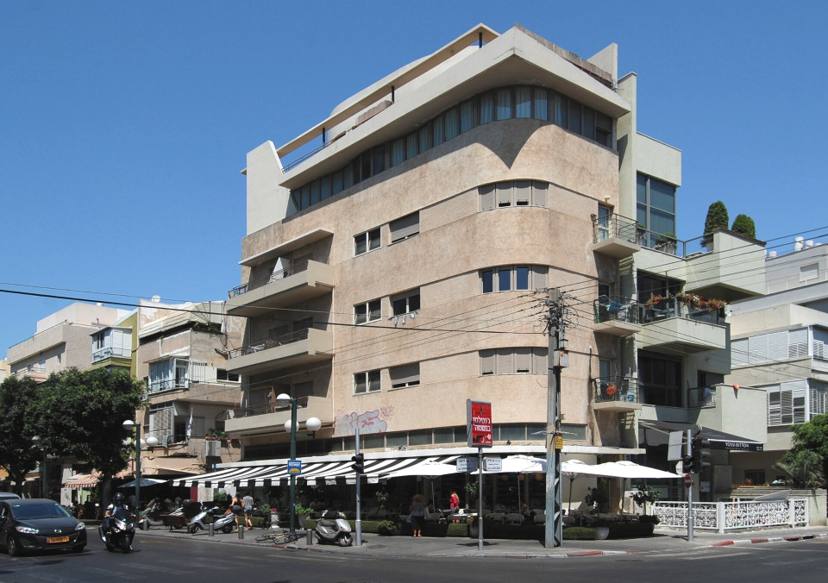
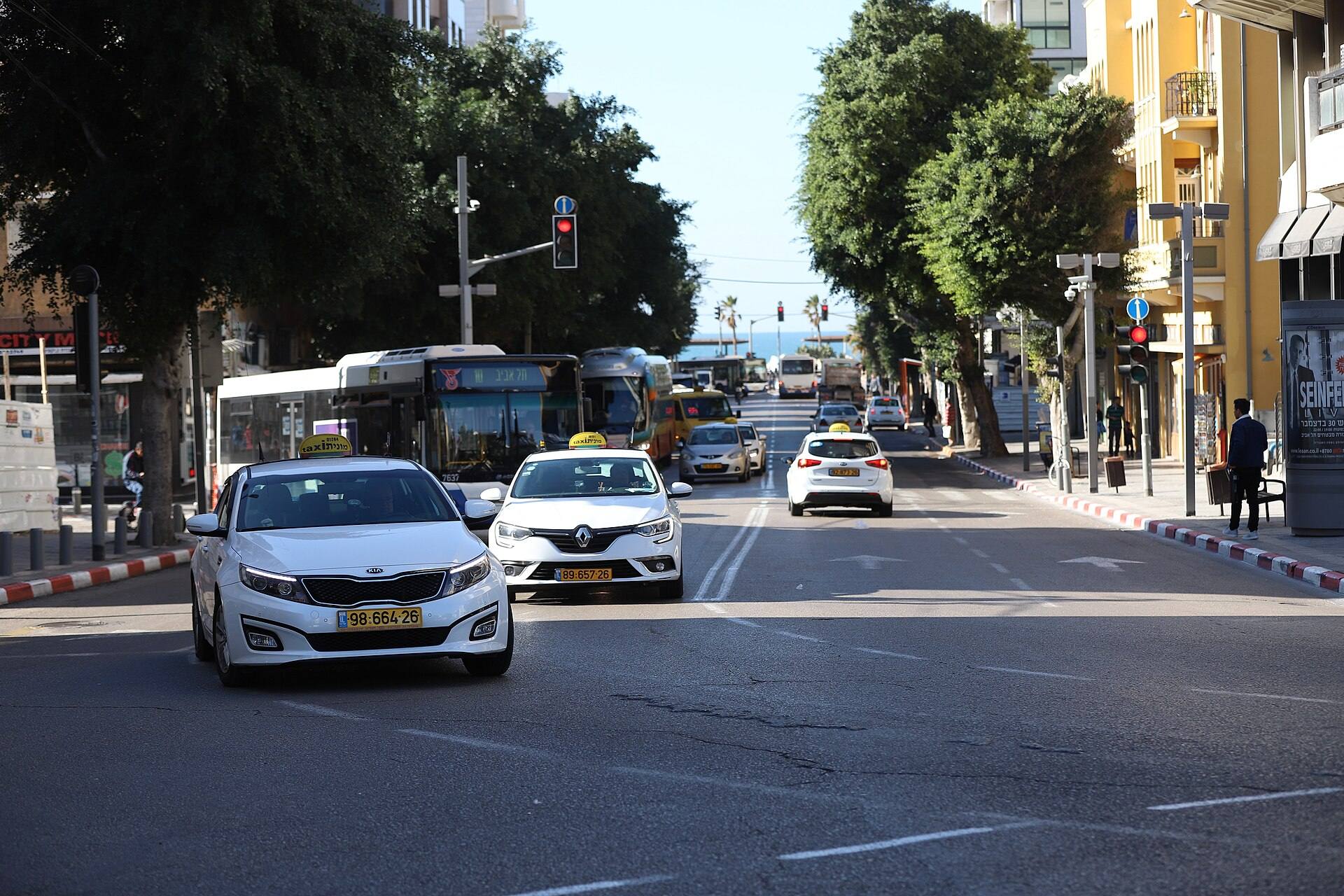
Allenby Street, Tel Aviv
The urban landscape of Tel Aviv is in the midst of a significant transformation that is set to change the face of the city for decades to come. 2026 brings with it a series of planning decisions and policy shifts by the municipality, directly affecting the living experience and property values in the city center and surrounding neighborhoods. For investors and luxury buyers, understanding this planning map is the key to identifying the next opportunities.
One of the prominent changes recently discussed is a municipal policy, brought to the local planning committee in March 2026, that would bar new private parking entrances from about 70 commercial streets, among them Allenby, Dizengoff, Ben Yehuda and Shenkin; access would come instead from a side street or a shared car park. The aim is better walkability, fewer conflicts between cars and pedestrians, cyclists and buses, and an unbroken street front of shops and shade trees. New projects required to adapt to these standards effectively offer a higher and quieter quality of life for residents, while improving the public space for the community's benefit.
At the same time, the evacuation of the New Central Bus Station has taken a concrete step forward: in April 2026 the National Infrastructure Committee advanced a Transport Ministry plan for a temporary bus terminal on Mikveh Israel land, north of Holon, meant to serve for up to about 20 years until a permanent transport hub is built. No final closure date has been set, and earlier targets, most recently the start of 2026, have repeatedly slipped. When it happens, the station's evacuation will be a historic milestone that can free up substantial land, reduce air pollution in the area and support values in the surrounding southern neighborhoods. It would be a natural catalyst for accelerated regional renewal, attracting developers to plan residential and employment complexes at standards not previously seen in the area.
Investing in Tel Aviv real estate requires a long-term vision and the ability to read the urban development map. The combination of mass transit systems currently under construction, the upgrading of public spaces, and the removal of transportation hazards from the heart of the city creates a reality in which urban quality of life improves year over year, attracting a strong demographic seeking premium living in a well-maintained and accessible environment.
Sources
- Merkaz HaNadlan: Tel Aviv municipality to bar private parking entrances on 70 commercial streets (March 2026, Hebrew)
- TheMarker: Temporary bus terminal north of Holon, a step toward evacuating the Tel Aviv Central Bus Station (April 2026, Hebrew)
- Ynet: Plan to relocate the New Central Bus Station's activity approved (April 2026, Hebrew)
- Globes: Tel Aviv Central Bus Station closure delayed to 2026 (January 2022)
- Globes: Tel Aviv light rail construction plagued by delays (August 2024)