Jaffa’s Real Estate Renaissance: Merging History and Modernity
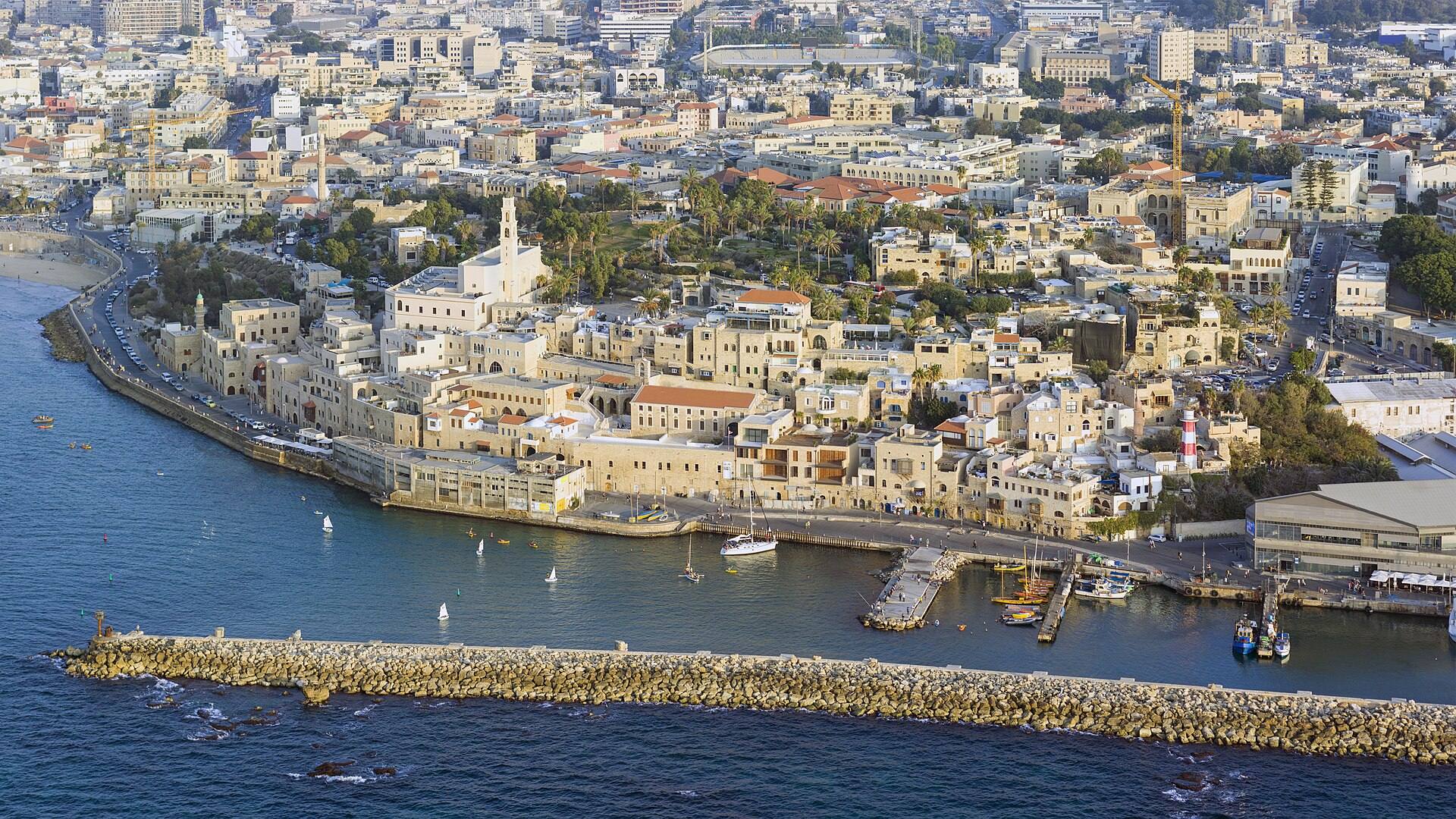
Jaffa Port and the Old City from the air
Jaffa’s luxury real estate market is undergoing a renaissance, driven by a rare convergence of meticulous historical preservation and high-end modern design. From the ancient stone alleyways of the Old City to the lively hubs of Shuk HaPishpeshim and the Jaffa Port, prime properties are commanding premium valuations; a sea-view penthouse in the Mul-Yam Yafo project set a Jaffa record of ₪32 million in 2022, according to Globes. This micro-market caters to global ultra-high-net-worth individuals (UHNWIs) who want the architectural soul of Ottoman-era arches and Bauhaus clean lines integrated with advanced smart automation and high-end residential amenities.
Key Facts
- Premium Pricing: Prices vary widely. In mid-2025, apartments in Ajami were trading above ₪40,000 per square meter and a five-room mini-penthouse in Tzahalon sold for ₪5.5 million (about ₪46,000 per sqm), according to ICE. The top of the market is far higher: a 390 sqm sea-view penthouse in Mul-Yam Yafo sold for a record ₪32 million in 2022 (Globes). Limited inventory and historical value drive the premium.
- Strict Preservation: Old Jaffa is a declared antiquities site, so development there is preceded by Israel Antiquities Authority excavations and subject to the Tel Aviv-Yafo Municipality's conservation planning, blending restored Ottoman-era stone arches with modernist extensions.
- High-Demand Micro-Neighborhoods: Key investment zones include the Flea Market (Shuk HaPishpeshim), the Ajami neighborhood, the Jaffa Port waterfront, and the hilltop Old City.
- Off-Market Share: In our experience, a meaningful share of ultra-luxury transactions in Jaffa happens off-market, through private networks that match discreet sellers with international buyers.
The Architectural Alchemy: Ottoman Grandeur Meets Modernist Bauhaus
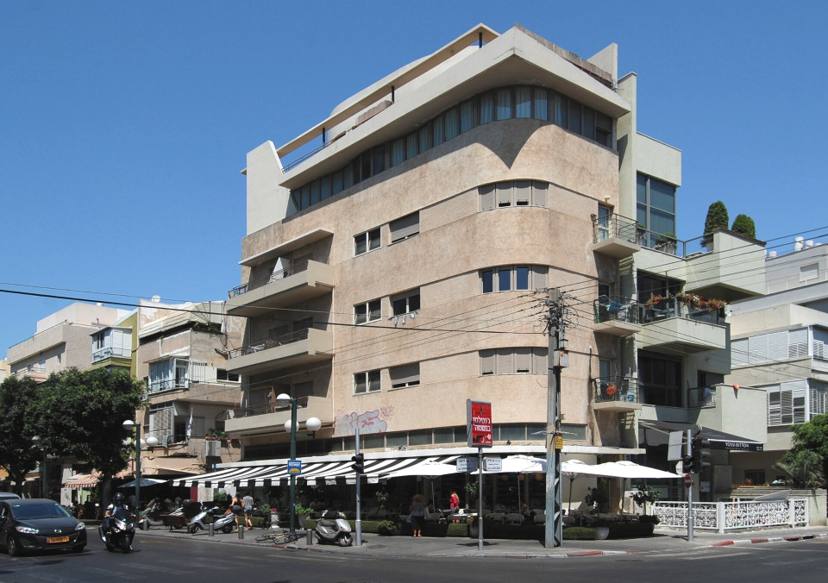
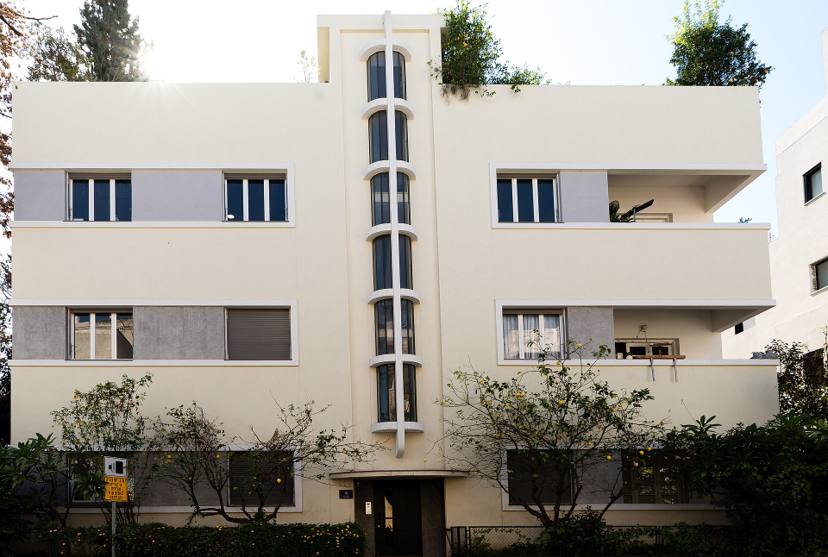
Jaffa is a tapestry of eras, and its real estate market reflects this historical layering. Unlike the glass-and-steel towers that dominate the skylines of Sarona or the beachfront of central Tel Aviv, Jaffa’s architectural landscape is defined by low-rise, high-character structures. The current renaissance is characterized by a design philosophy that honors the past while embracing the future.
Preserving History Under Strict Conservation Codes
Developing in Jaffa requires navigating some of the most stringent conservation codes in the region. Because Old Jaffa is a declared antiquities site, the Israel Antiquities Authority excavates ahead of development works, ensuring that centuries-old sandstone walls, cross-vaulted ceilings, and original hand-painted tiles are meticulously preserved. For developers, this is not a constraint but a competitive advantage. The integration of original Ottoman-era structural elements with contemporary steel, glass, and concrete creates a dramatic aesthetic contrast that cannot be replicated in newer neighborhoods like Ramat Aviv or the Old North.
The Integration of Smart Home Technology
While the shells of these properties belong to the past, their interiors are engineered for the future. Luxury residences in Jaffa now feature concealed HVAC systems, bespoke lighting design managed via integrated smart-home systems (such as Crestron or Lutron), and advanced security systems. This integration lets residents enjoy the conveniences of modern luxury, such as private wellness areas, internal elevators, and automated climate control, within a home that carries centuries of heritage.
Neighborhood Dynamics: From Shuk HaPishpeshim to the Ajami Coastline
Jaffa is not a monolith; it is a collection of distinct micro-markets, each offering its own lifestyle proposition for the discerning buyer.
The Flea Market (Shuk HaPishpeshim) and the Port
Once a bohemian enclave known for its antique shops and street vendors, the area surrounding Shuk HaPishpeshim has evolved into one of the most sought-after residential hubs in Tel Aviv. High-end boutique developments sit atop curated galleries, artisanal cafes, and Michelin-caliber dining spots. Properties here appeal to a cosmopolitan crowd that values urban vitality and immediate walkability.
A short walk away, the Jaffa Port offers frontline sea views that command some of Jaffa’s highest prices. Properties overlooking the ancient harbor provide a rare sense of tranquility, in clear contrast to the high-energy lifestyle of nearby Rothschild Boulevard or Neve Tzedek.
Ajami and the Southern Coastline
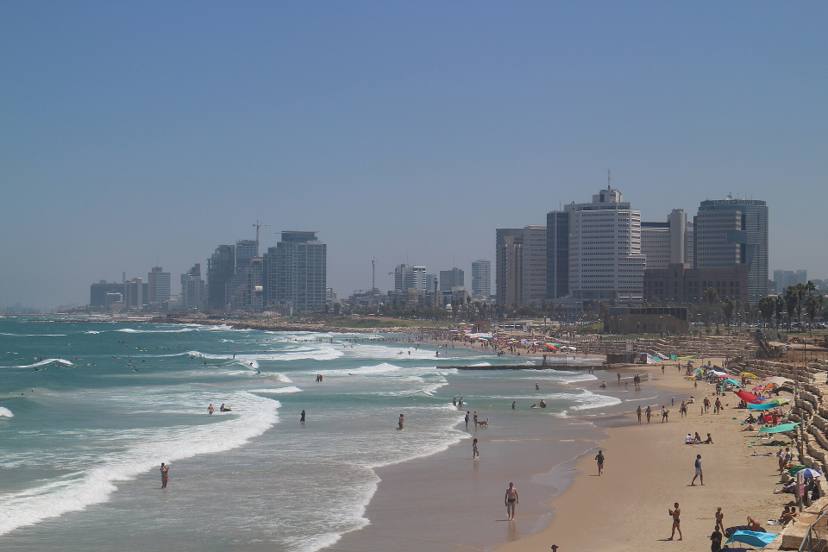
Further south, the neighborhood of Ajami offers a different flavor of luxury. Characterized by quiet, winding streets and grand seaside villas, Ajami is favored by buyers seeking privacy, space, and unobstructed Mediterranean views. The neighborhood’s real estate portfolio includes expansive estates, private compounds, and premium low-rise apartments with lush private gardens and rooftop plunge pools. This area provides a serene coastal lifestyle that rivals the exclusive enclaves of Herzliya Pituach, yet remains deeply connected to the cultural fabric of urban Tel Aviv.
The Investment Thesis: Scarcity and Global Capital Flight
The driving force behind Jaffa’s real estate market is the scarcity of prime inventory. In the luxury asset class, uniqueness is the best hedge against market volatility.
“In the luxury asset class, scarcity is the ultimate driver of value. Jaffa’s historical core offers a finite number of footprints, making these properties highly resilient to market cycles.”
The Appeal to Global UHNWIs
For international investors and members of the global Jewish diaspora, Jaffa offers something that modern high-rises cannot: a tangible connection to history. The buyers entering this market are highly sophisticated; they already own properties in London, New York, or Paris, and they view Jaffa as an irreplaceable addition to their portfolios. They are drawn to the area’s multicultural heritage, its artistic soul, and its proximity to the financial and cultural heart of Tel Aviv.
The Shift to Off-Market Transactions
Because the most desirable properties in Jaffa are historically significant and highly unique, a significant portion of the market operates quietly behind closed doors. High-profile buyers and sellers prioritize discretion, leading to a rise in off-market transactions. Accessing these opportunities requires deep local roots and established relationships. At Bauhouse, we consistently observe that the most extraordinary historic estates and penthouses are traded privately, bypassing public listing portals entirely to protect the privacy of both parties.
Frequently Asked Questions
What is the average price per square meter for luxury properties in Jaffa?
There is no single average for the luxury segment. In mid-2025, ICE reported Ajami prices above ₪40,000 per square meter, while the record is a sea-view penthouse in Mul-Yam Yafo sold for ₪32 million in 2022, according to Globes. Prices depend on proximity to the coastline, historical significance, and the quality of the preservation work. Frontline sea-view penthouses near the Jaffa Port or historic estates in the Old City command the highest premiums.
How do Jaffa’s preservation laws impact renovation and development?
Old Jaffa is a declared antiquities site, so works there involve the Israel Antiquities Authority as well as the Tel Aviv-Yafo Municipality’s planning and conservation requirements. Any renovation must preserve the structural and aesthetic integrity of historical elements, such as Ottoman arches or Bauhaus facades, which requires specialized architectural expertise and extends development timelines.
How does Jaffa’s real estate market compare to other luxury areas like Neve Tzedek or Herzliya Pituach?
While Herzliya Pituach offers sprawling suburban estates and Neve Tzedek features charming, low-rise European-style alleyways, Jaffa provides a distinctive coastal urbanism rich with multicultural history. Jaffa appeals to buyers who seek the raw, authentic charm of an ancient port city paired with the highest standards of modern luxury living.
Are off-market properties common in the Jaffa luxury market?
Yes. There is no reliable published figure for their share, but in our experience off-market transactions are common in Jaffa’s luxury segment. Due to the desire for privacy among high-profile buyers and sellers, the most prestigious historic estates and penthouses are typically traded discreetly through private real estate networks.