Tel Aviv Market Update, October 2026
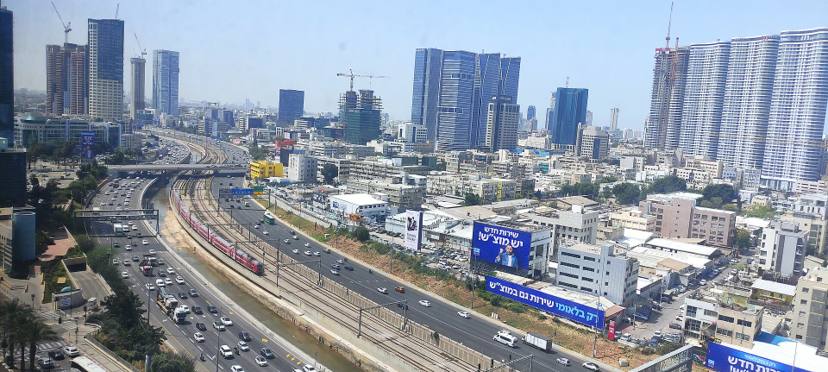
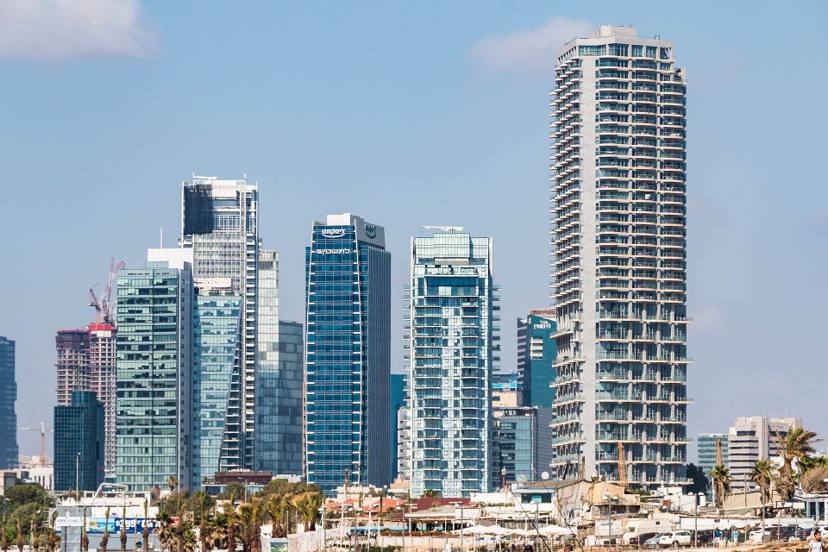
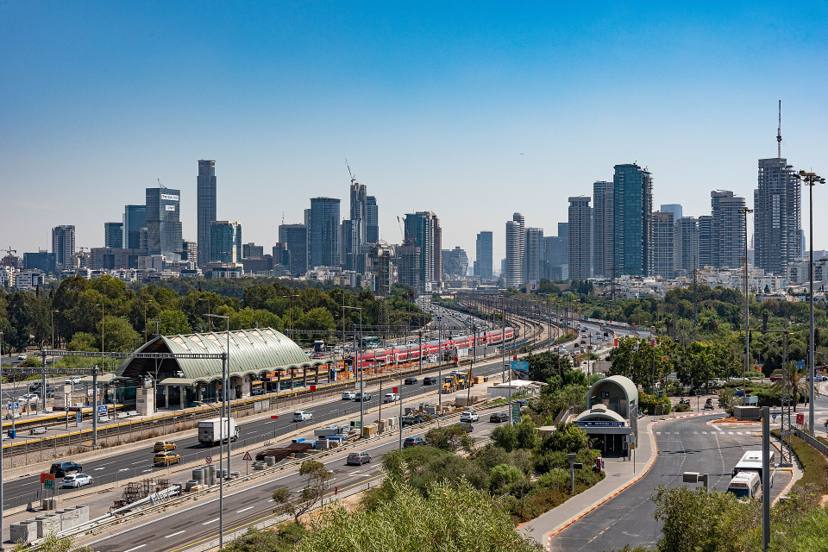
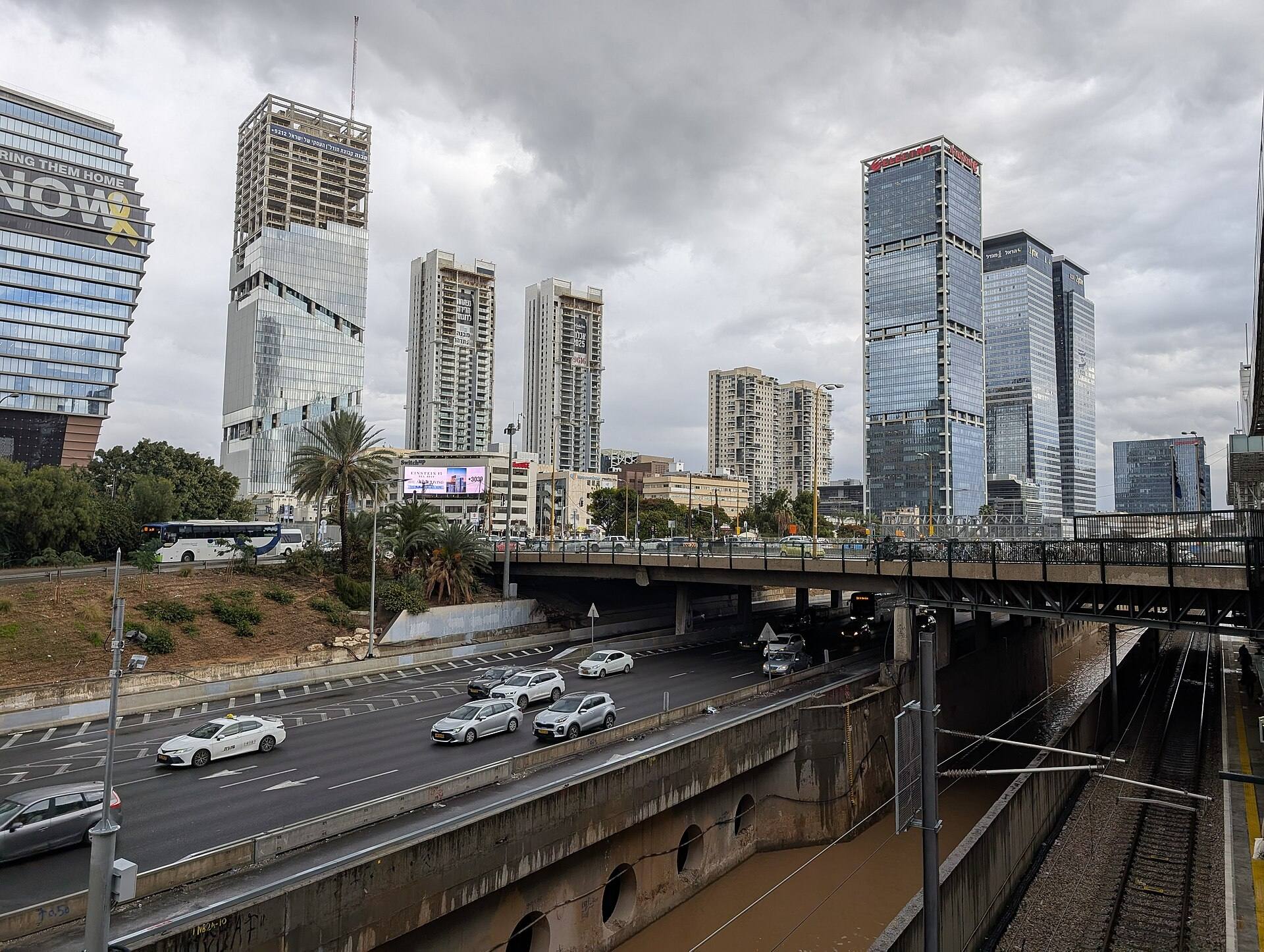
Office towers by HaShalom station, December 2024
Tel Aviv's prime real estate market is showing notable resilience. In the first half of 2026, occupancy in the city's Class A office towers rose to almost 99%, according to Newmark Natam, as cyber, defense-tech and defense-industry companies expanded while some traditional tech companies cut space. Demand is strongest for prime offices along the Menachem Begin Road corridor beside Sarona and on Yigal Alon Street. At the top of the residential market, new luxury homes in Neve Tzedek still sell for well over ₪100,000 per square meter, even though deals there are few. Together, these figures underscore Tel Aviv's status as the leading economic hub of the Eastern Mediterranean.
This update reflects the latest figures published up to October 2026.
Key Facts
- Prime Commercial Rates: Class A office towers in Tel Aviv averaged about ₪126 per square meter (sqm) a month in the first half of 2026, up from about ₪125 in the second half of 2025, according to Newmark Natam. The Menachem Begin Road corridor beside Sarona led at about ₪151 (up from about ₪146), followed by the new towers around Hassan Arafa and Yitzhak Sadeh streets at about ₪144 and Yigal Alon Street at about ₪139. Rents in the older City area around Rothschild Boulevard are holding near the levels of recent years, with a slow downward trend, according to Globes.
- Luxury Residential Benchmarks: New luxury projects in Neve Tzedek trade well above ₪100,000 per sqm: deals in the Rav Kook Residences at the end of 2025 averaged about ₪178,000 per sqm, according to Calcalist. The neighborhood as a whole trades far lower and on very thin volume: according to Tax Authority data reported by Bizportal in July 2026, the median price of deals closed over the previous year was about ₪75,800 per sqm, down 8.6% on the year before, and there were only 12 deals in a full year.
- Tight Vacancy Rates: Occupancy in Tel Aviv's Class A towers rose from about 95.8% to about 98.9% in the first half of 2026, and reached about 99% on the Begin and Yigal Alon axes. Older Class B buildings recovered too, with occupancy rising from about 87.4% to about 91.4% and average rents flat at about ₪86 per sqm.
- The Coastal Alternative: Herzliya Pituach remains the main alternative to the city center for tech companies, but it is softening: average Class A rents dipped below ₪100 per sqm, to about ₪97, and occupancy fell from about 94% to about 91% in the first half of 2026.
The Flight to Quality in Tel Aviv's Commercial Core
The Tel Aviv commercial sector is undergoing a structural shift characterized by a "flight to quality," and the sources of demand are changing. According to Newmark Natam's latest survey, cyber, defense-tech and defense-industry companies are expanding and driving demand for offices, mainly in Tel Aviv, while traditional tech companies are cutting space and SaaS and gaming companies have stalled. Globes summed it up: defense-tech companies have rescued the Tel Aviv office market from the crisis of recent years. Corporate tenants, particularly in the high-tech, financial, and legal sectors, are consolidating their footprints. Rather than maintaining multiple decentralized offices, companies are leasing premium, consolidated spaces in state-of-the-art towers that offer superior energy efficiency, modern amenities, and prime locations.
Begin Road and Sarona: The Epicenter of Grade-A Demand
The Menachem Begin Road corridor beside Sarona now leads the city on office rents, at about ₪151 per sqm in the first half of 2026, with the new towers around Hassan Arafa and Yitzhak Sadeh streets second at about ₪144, while the older City area around Rothschild Boulevard has been softening. Occupancy in these leading areas is about 99%, which leaves almost no space for incoming tenants and makes competition for any space that comes free intense. Multinational corporations are willing to pay a premium for buildings that feature advanced ESG (Environmental, Social, and Governance) credentials, sophisticated filtration systems, and high-end tenant amenities such as rooftop gardens, wellness centers, and premium dining options. This concentration of demand has kept the newest towers close to full, while older Class B buildings, which lost tenants in 2025, are only now recovering.
Herzliya Pituach: Still the Alternative, but Softer
While the Tel Aviv CBD remains the preferred choice for corporate headquarters, Herzliya Pituach remains an important secondary market. Offering larger floor plates and campus-style office environments, this coastal enclave attracts technology companies that need extensive laboratory and research space. The latest figures show it losing ground, though: in the first half of 2026, average Class A rents there fell about 4% to about ₪97 per sqm and occupancy fell from about 94% to about 91%, while occupancy rose in Bnei Brak and Petah Tikva, along the Red Line light rail. Its proximity to affluent residential suburbs still makes it a natural choice for executives who prioritize a shorter commute without sacrificing access to premium amenities.
The Convergence of Luxury Residential and Commercial Ecosystems
The boundaries between Tel Aviv's commercial and luxury residential sectors are increasingly blurred. UHNW individuals, corporate executives, and international investors are looking for integrated environments where they can seamlessly transition from high-stakes business meetings to private, high-end living.
Mixed-Use Developments as the New Standard
The modern affluent buyer in Tel Aviv demands a "live-work-play" lifestyle. This demand has fueled the success of mixed-use developments that combine luxury residential units with high-end commercial spaces, retail boutiques, and fine dining. Districts like Sarona and the southern borders of Neve Tzedek are prime examples of this trend. These developments offer residents private lobbies, 24/7 concierge services, and exclusive access to business lounges, effectively bringing the office to the home in a highly sophisticated manner.
Pricing Dynamics and the UHNW Buyer Profile
In the residential sector, the demand for ultra-luxury properties remains robust, largely decoupled from broader mortgage market fluctuations. Buyers in this segment are primarily cash-rich domestic tech founders, foreign investors, and corporate executives.
In our view, the line between corporate life and luxury living in Tel Aviv has all but dissolved: today's leading tenants and buyers are not just purchasing square meters, they are investing in an integrated lifestyle.
In neighborhoods like Neve Tzedek, where land is scarce and historic preservation guidelines are strict, new luxury homes sell for well over ₪100,000 per sqm; in May 2026 Globes reported that the new apartments planned on one Neve Tzedek site are expected to reach ₪120,000 per sqm and more. The neighborhood as a whole trades far lower and on very few deals: according to Tax Authority data reported by Bizportal in July 2026, the median for deals closed over the previous year was about ₪75,800 per sqm, down 8.6%, on just 12 deals. In our experience, the Old North and Ramat Aviv also continue to see strong demand for premium penthouses overlooking the Mediterranean or the Yarkon Park.
Frequently Asked Questions
What is the average price per square meter for luxury residential real estate in Tel Aviv?
There is no single official average for the luxury segment. In Neve Tzedek, new luxury projects sell for well over ₪100,000 per square meter: the Rav Kook Residences averaged about ₪178,000 per sqm in its end-2025 deals (Calcalist), and Globes reports that new apartments on another site there are expected to reach ₪120,000 per sqm and more. For comparison, the median across all deals in the neighborhood over the year reported in July 2026 was about ₪75,800 per sqm (Bizportal, from Tax Authority data). Exceptional trophy properties can command even higher premiums, driven by limited supply and high domestic and international demand.
How are commercial rental rates performing in Tel Aviv's Central Business District?
According to Newmark Natam, Class A office towers in Tel Aviv averaged about ₪126 per square meter a month in the first half of 2026, with the Menachem Begin Road corridor beside Sarona at about ₪151 and the Hassan Arafa and Yitzhak Sadeh area at about ₪144. Occupancy in Class A towers reached about 99%, as cyber, defense-tech and defense-industry companies expanded. Corporate tenants also continue to prioritize modern, ESG-compliant spaces to attract top talent.
Why is there a strong link between the commercial and luxury residential sectors in Tel Aviv?
The integration is driven by a "live-work-play" philosophy favored by affluent professionals and multinational executives who demand proximity between their workplaces and high-end residences. Mixed-use developments in areas like Sarona and the southern CBD seamlessly blend premium offices with luxury residential towers, creating a self-sustaining ecosystem that preserves property values.
Is Herzliya Pituach still a viable alternative to Tel Aviv's city center for commercial tenants?
Yes, though it has softened. Herzliya Pituach remains a premier coastal tech hub, offering larger floor plates and campus-style office environments at lower rents than Tel Aviv's CBD: about ₪97 per sqm a month in the first half of 2026, against a Class A average of about ₪126 in Tel Aviv. Its occupancy, however, fell to about 91% in the same period. It continues to attract multinational R&D centers and corporate headquarters that need extensive space and proximity to affluent residential suburbs like Ramat Aviv.
Sources
- Globes: Defense-tech boom pushes up Tel Aviv office rents (September 2026)
- Merkaz HaNadlan: The light rail redraws the office map, from Newmark Natam's H1 2026 review (September 2026)
- Calcalist: Almogim sold three apartments for NIS 155 million on the last day of 2025 (January 2026)
- Bizportal: Neve Tzedek deals and prices over the past year, from Tax Authority data (July 2026)
- Globes: Nacht sells two Neve Tzedek lots to Australians for NIS 130m (May 2026)