What Global Tenants Get Wrong About Israeli Leases
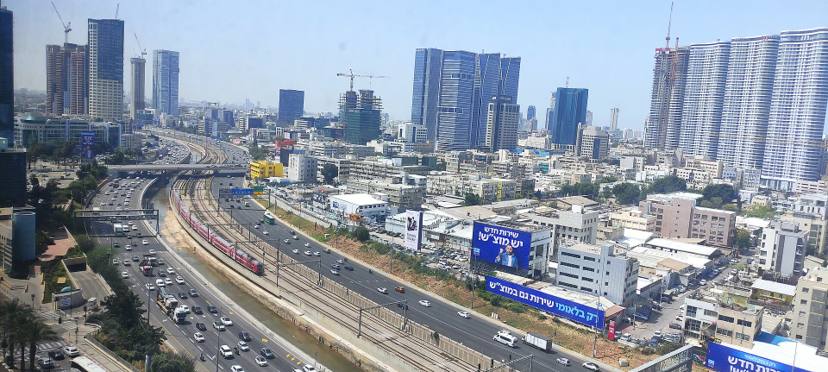
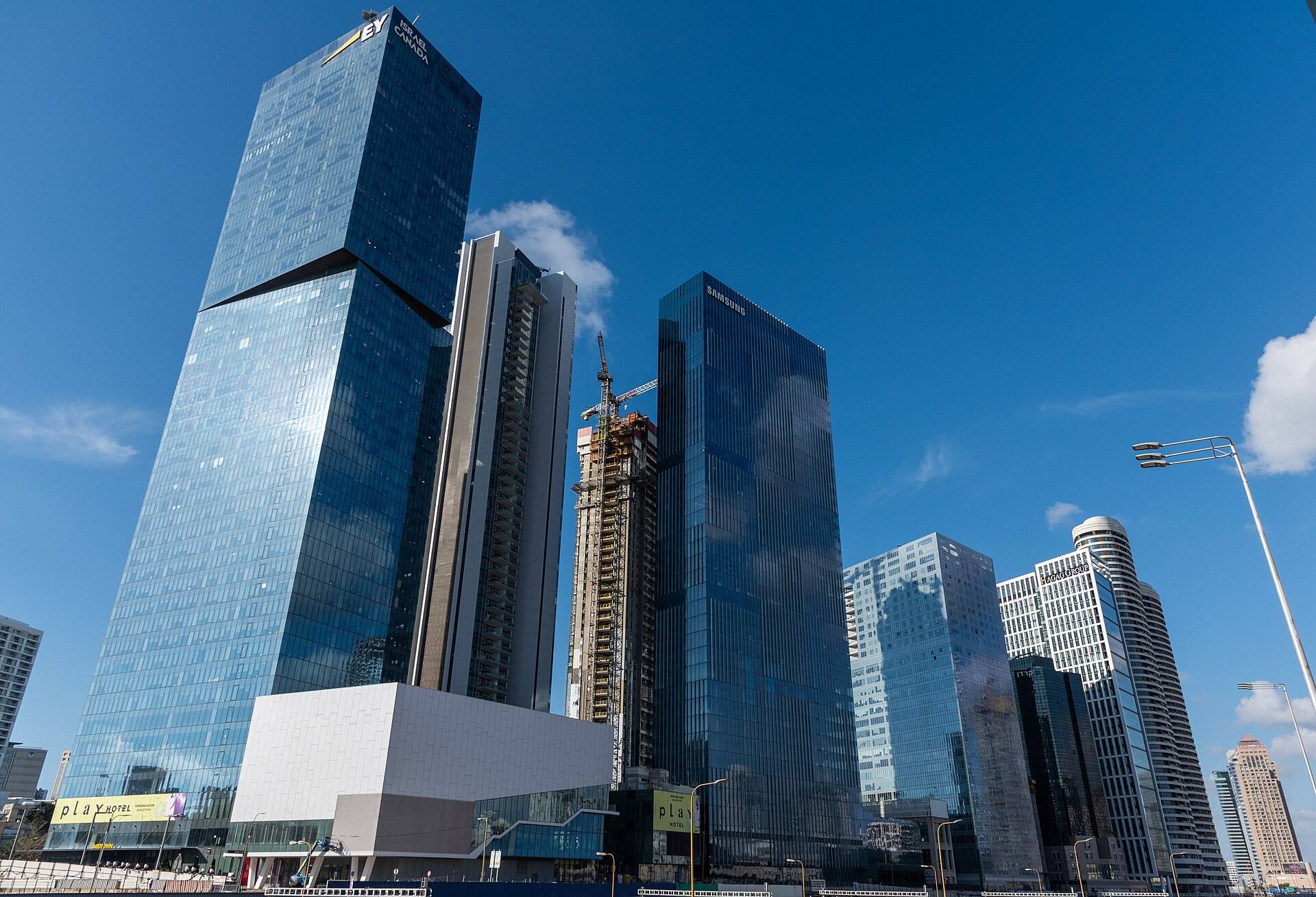
Midtown, Menachem Begin Road, Tel Aviv
A multinational opening its first Tel Aviv office usually arrives with a mental template: a lease looks broadly like the ones signed in London, New York or Berlin, with local variations in the details.
That assumption is where the trouble starts. In our experience, Israeli commercial leases often differ from those templates in ways that matter, and several clauses that look familiar can behave in ways an incoming tenant does not expect.
None of this is exotic or hidden. It is common market practice here. But ordinary practice is exactly what nobody reads carefully, and it is where the money moves.
Indexation is not an escalation clause
Many global tenants are used to rent increases that are fixed and known in advance: a stated percentage each year, or a review at set intervals against market rates. The tenant can model the full term on signing.
Israeli commercial leases are typically linked to the Consumer Price Index published by the Central Bureau of Statistics, and the management fees often are too. Rent moves with the index, sometimes with a floor so that it does not drop below the base rent if the index falls (CyberArk's lease, for example, has one), and the tenant typically carries that exposure for the whole term.
The difference is not cosmetic. A fixed escalation is a number you can budget. An index linkage is an open position on Israeli inflation, held for the full term of the lease, on one of your largest fixed costs. In a stable period the two look similar. In a volatile one they do not, and the tenant discovers the distinction at precisely the wrong moment.
In our experience, this is often the single largest gap between what a global finance team modelled and what the lease actually says.
The operating budget is yours
Beyond the headline rent, a tenant in a Tel Aviv office building typically pays management fees that cover a proportionate share of the building's operating and maintenance costs (in CyberArk's Petah Tikva lease, for example, cost plus 15%). The occupier also typically pays arnona, the municipal property tax, directly to the municipality.
Tenants comparing Tel Aviv to markets where more of that sits with the landlord can easily underestimate their occupancy cost, sometimes substantially, because the number they are comparing is not the same kind of number.
The headline rent per square metre is therefore a poor comparison tool across markets. The figure that matters is the fully loaded monthly cost, and producing it requires the management fee history, not the rent quote.
Rent is also commonly quoted before VAT: the monday.com and CyberArk lease summaries both state that all rental fees are exclusive of VAT, and CyberArk's management fees are charged plus VAT as well. Read any quote as a net figure, and confirm with your advisers how VAT applies in your case.
Municipal rates deserve their own line
Arnona is a significant recurring cost in Tel Aviv: under the municipality's 2026 order, the uniform rate for non-residential buildings, offices included, is about ₪450 per square metre a year in the city's highest-rated zone, with special rates for some uses. It is charged per square metre according to use and zone, not on rent paid.
Two consequences follow. The classification of the space matters and is not always obvious in advance. And the measured area used for assessment may not match the area used in the rent calculation, because the two are arrived at by different conventions (under the 2026 order, for example, the municipal measure excludes walls and, in office buildings shared by several occupiers, generally excludes common areas).
Tenants who treat this as an administrative afterthought can find a material and permanent cost appearing after occupancy.
The security package is larger than expected
Landlords here commonly require an autonomous bank guarantee covering several months of rent (three months' rent plus VAT in CyberArk's lease, for example), sometimes alongside personal or parent-company undertakings.
For a subsidiary of a large group, a parent guarantee is often the path of least resistance, and it is sometimes signed without anyone at group level examining what was actually guaranteed or for how long. A bank guarantee also consumes credit facility, which is a real cost the local team may not be the one to bear.
This belongs in the negotiation, not in the closing documents.
Term, exit and the thing that is usually missing
Large prime leases here are often long: monday.com's Tel Aviv lease, which began in 2021, runs ten years, and Wiz's 2026 lease at Landmark B runs six. What global tenants often fail to secure, in our experience, is what happens in between.
Break rights, expansion options, contraction rights, assignment and sublease consent standards: these are typically negotiable, they are usually much easier to obtain at the start than later, and their absence is not conspicuous until the business changes. monday.com's lease, for instance, gives it the right to terminate from March 2026 on a year's notice, against a payment to the landlord.
A company that grows faster than planned, or slower, discovers the gap at the same moment it can least afford it.
The practical point
None of these clauses is unusual. They are common market practice, and Israeli landlords are not doing anything untoward by proposing them.
The failure is one of translation. A global tenant reads an Israeli lease through the assumptions of another market, and the assumptions are wrong in specific, costly ways.
The fix is simple and too rarely done: model the fully loaded cost, including indexation exposure and operating share, before the term sheet is agreed, rather than after the space is chosen and the negotiating position is gone.
This article is general information, not legal advice. Review any lease with an Israeli real-estate lawyer before signing.
Sources
- SEC: monday.com Ltd., summary of Tel Aviv office lease, Exhibit 4.8 to Form 20-F (2024)
- SEC: CyberArk Software Ltd., summary of Petah Tikva office lease, Exhibit 4.5 to Form 20-F (2022)
- Tel Aviv-Yafo Municipality: General arnona order for 2026 (June 2025, Hebrew)
- Globes: Wiz leases 13 floors in Tel Aviv tower (March 2026)
- David Page Law: 7 Clauses Tenants Should Negotiate in an Israeli Commercial Lease (October 2026)